Things to do in Rome
Rome is a layered open-air museum. The Colosseum, the Roman Forum, the Pantheon, the Vatican Museums and St. Peter's Basilica, the Trevi Fountain and Piazza Navona sit within a walkable historic centre, all a short stroll from evening concerts in the city's churches and chapels.
Our editors' pick of the ten sights to build a first visit around — with an evening concert to close the day:
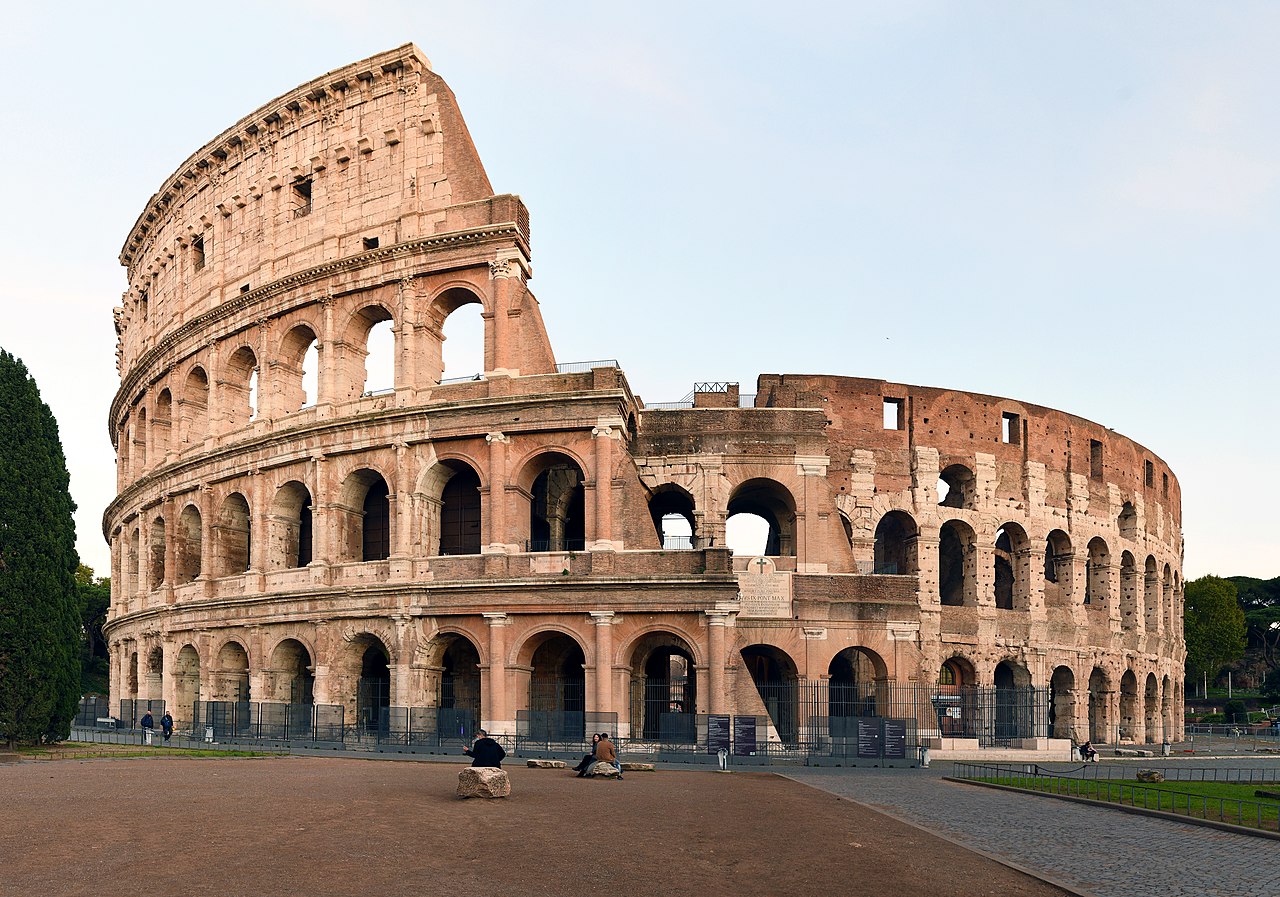
The Colosseum
The largest amphitheatre ever built, completed in 80 AD, once held up to 50,000 spectators for gladiatorial games. Its four tiers of arches and the exposed hypogeum beneath the arena floor make it the enduring symbol of Imperial Rome. Book a timed entry to skip the longest queues, and consider the combined ticket that also covers the Roman Forum and Palatine Hill next door.
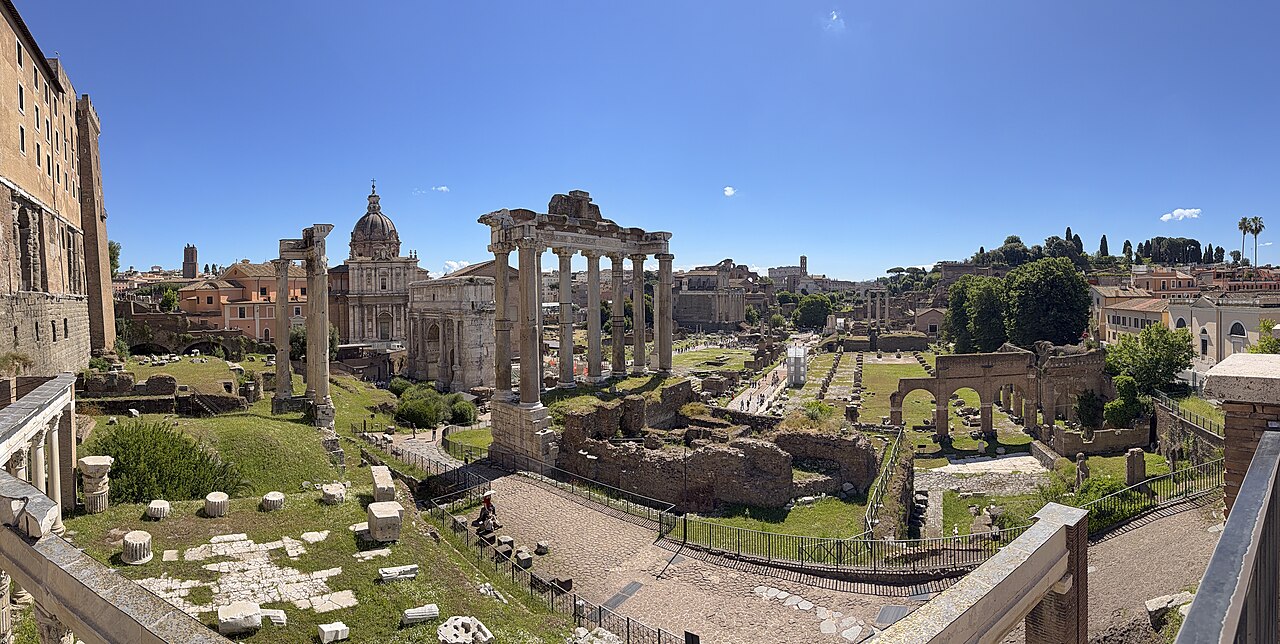
The Roman Forum
For centuries the political, religious and commercial heart of the Roman Republic and Empire. Walking the Via Sacra past the Temple of Saturn, the Arch of Titus and the Curia gives a direct sense of the city's ancient scale. Go early or late in the day when the light is soft and the crowds thinner, and pair it with the Palatine Hill above.
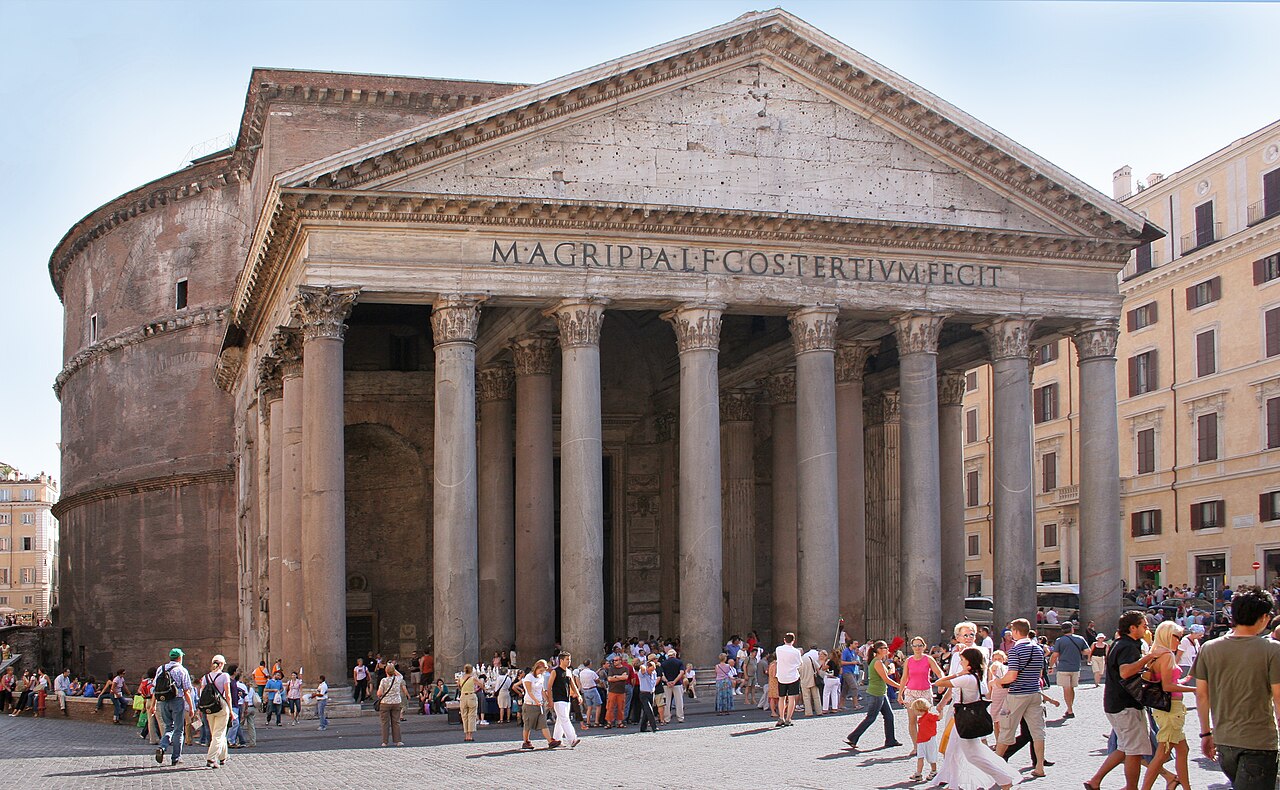
The Pantheon
The best-preserved building of ancient Rome, rebuilt by Hadrian around 126 AD, with a vast unreinforced concrete dome that still holds the record after nearly two millennia. The oculus at its centre opens directly to the sky. Entry is free but timed; the surrounding Piazza della Rotonda is one of the finest spots in the city for an evening aperitivo.
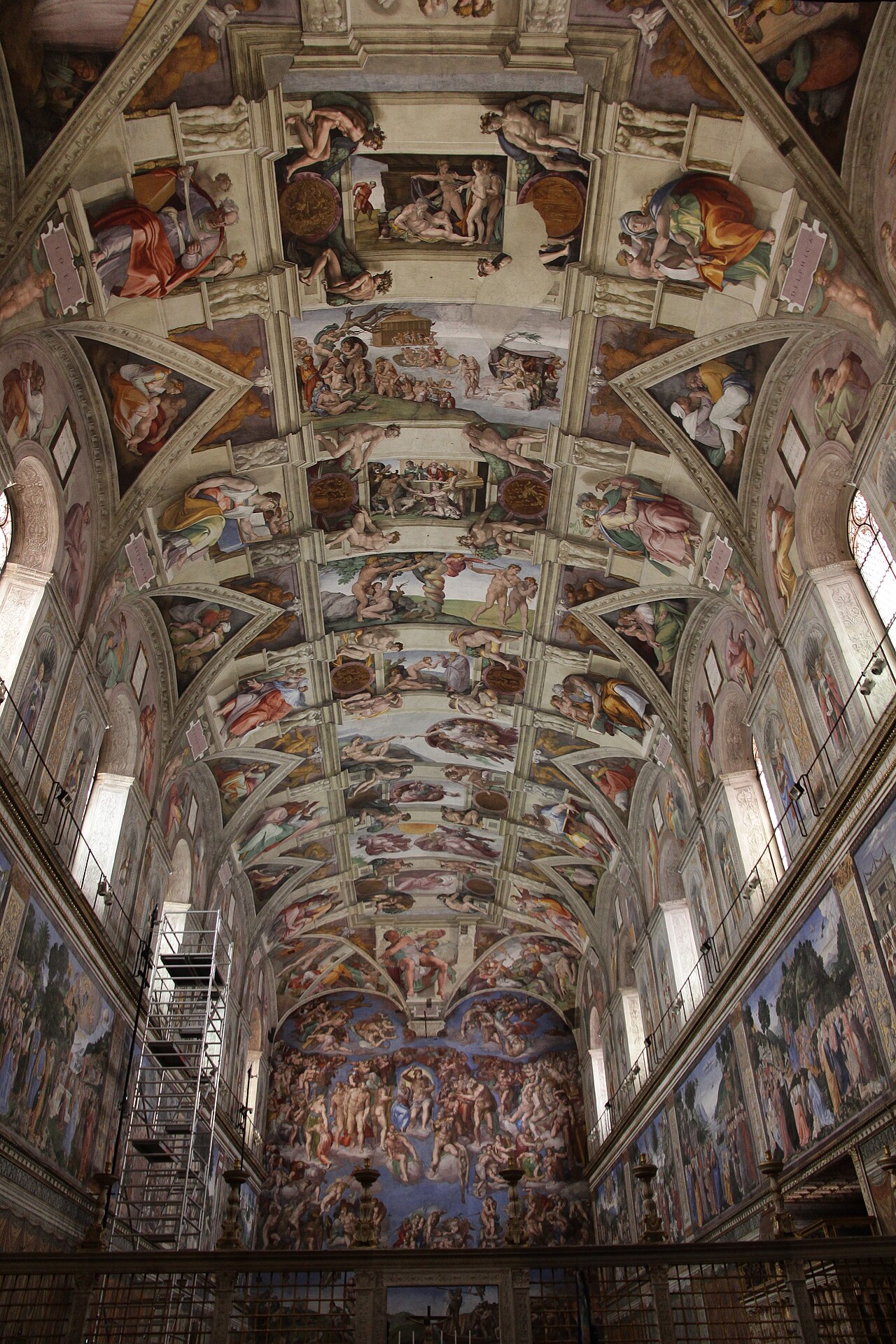
Vatican Museums & Sistine Chapel
One of the world's great museum complexes, culminating in Michelangelo's ceiling and Last Judgement in the Sistine Chapel. The Raphael Rooms, the Gallery of Maps and the Laocoön are highlights along the way. Booking a timed ticket in advance is essential, and early-morning or late-afternoon slots offer the calmest experience.
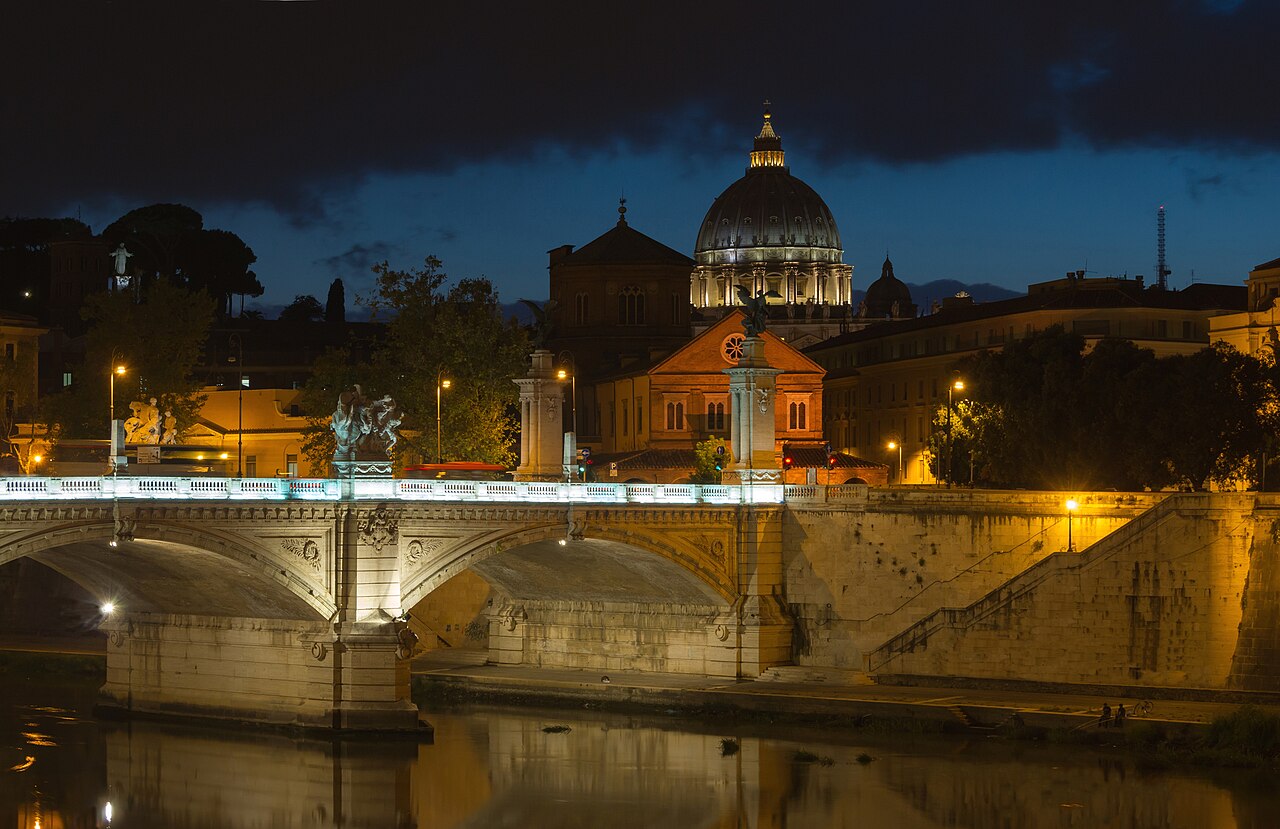
St. Peter's Basilica
The centre of the Catholic world and a Renaissance and Baroque masterpiece, with contributions from Bramante, Michelangelo, Maderno and Bernini. Michelangelo's Pietà stands near the entrance, and the climb to the top of the dome rewards with a sweeping view over St. Peter's Square. Entry is free; modest dress covering shoulders and knees is required.
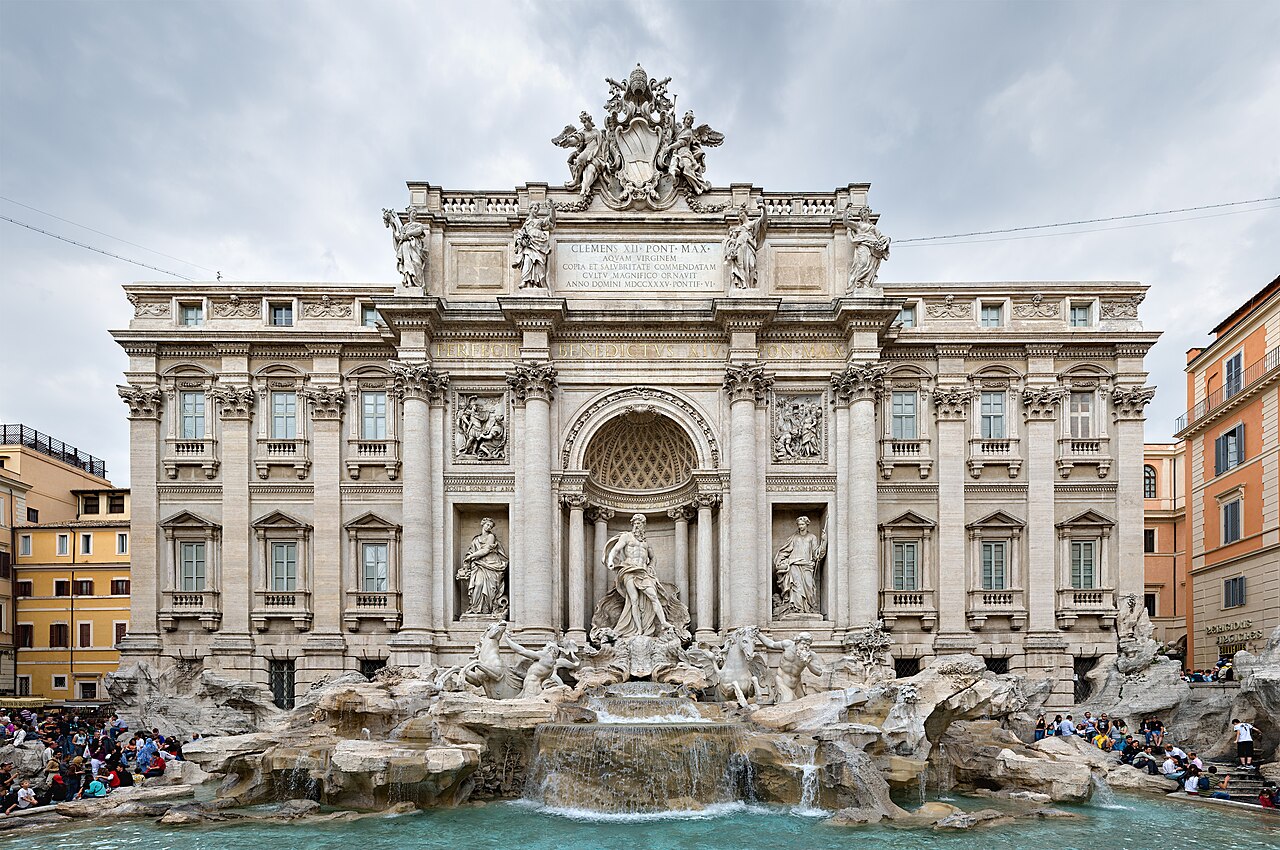
Trevi Fountain
Nicola Salvi's Baroque masterpiece of 1762 fills an entire piazza with tritons, sea horses and cascading water fed by an ancient Roman aqueduct. Tradition says a coin tossed over the left shoulder guarantees a return to Rome. It is busiest at midday; a visit late in the evening, when the fountain is floodlit and quieter, is unforgettable.
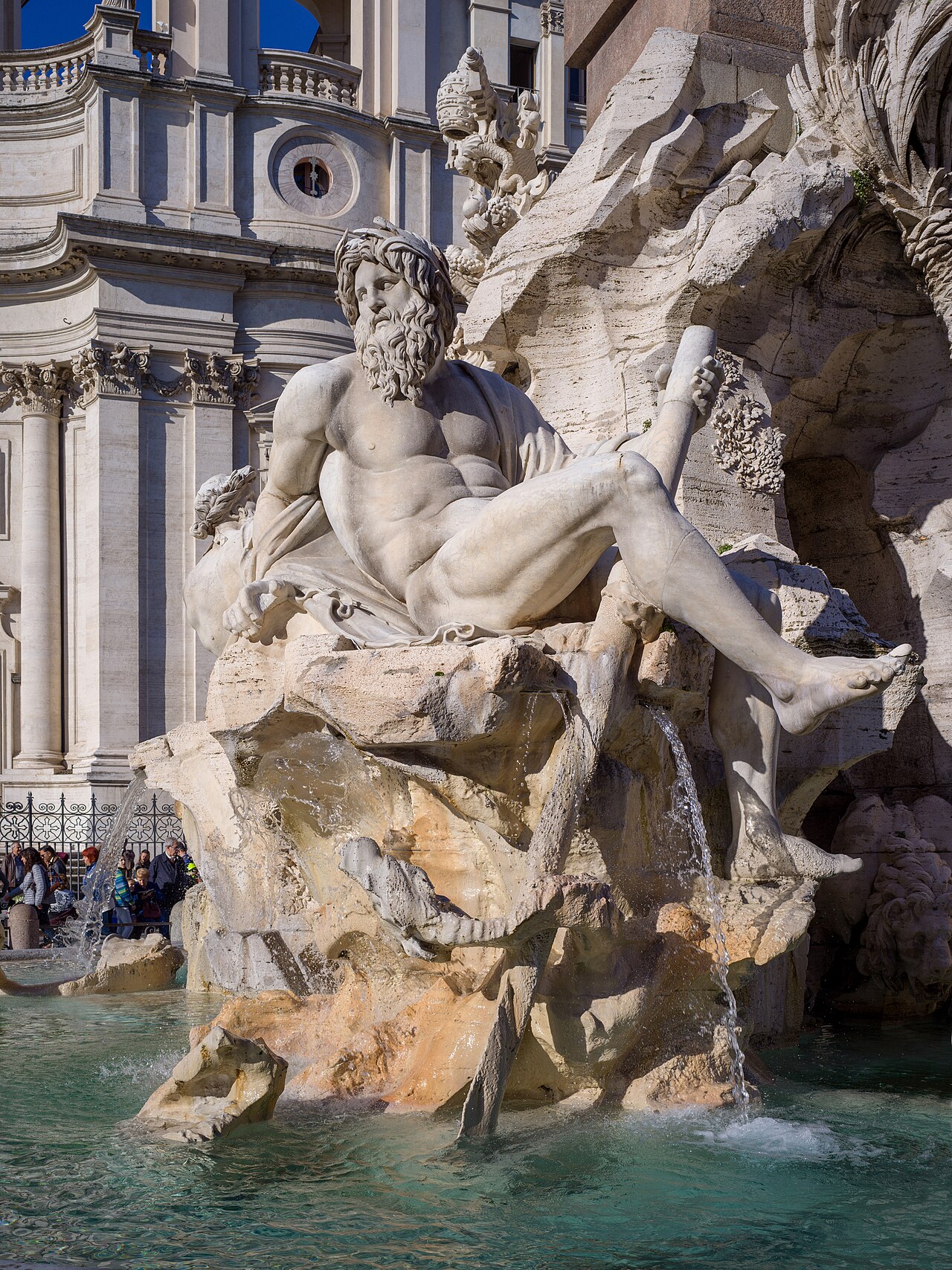
Piazza Navona
Built over the ancient Stadium of Domitian, this elongated Baroque square is defined by Bernini's Fountain of the Four Rivers and the facade of Sant'Agnese in Agone by Borromini. Street artists, cafés and the play of the fountains make it one of Rome's most sociable spaces, and it sits within easy walking distance of several concert churches.
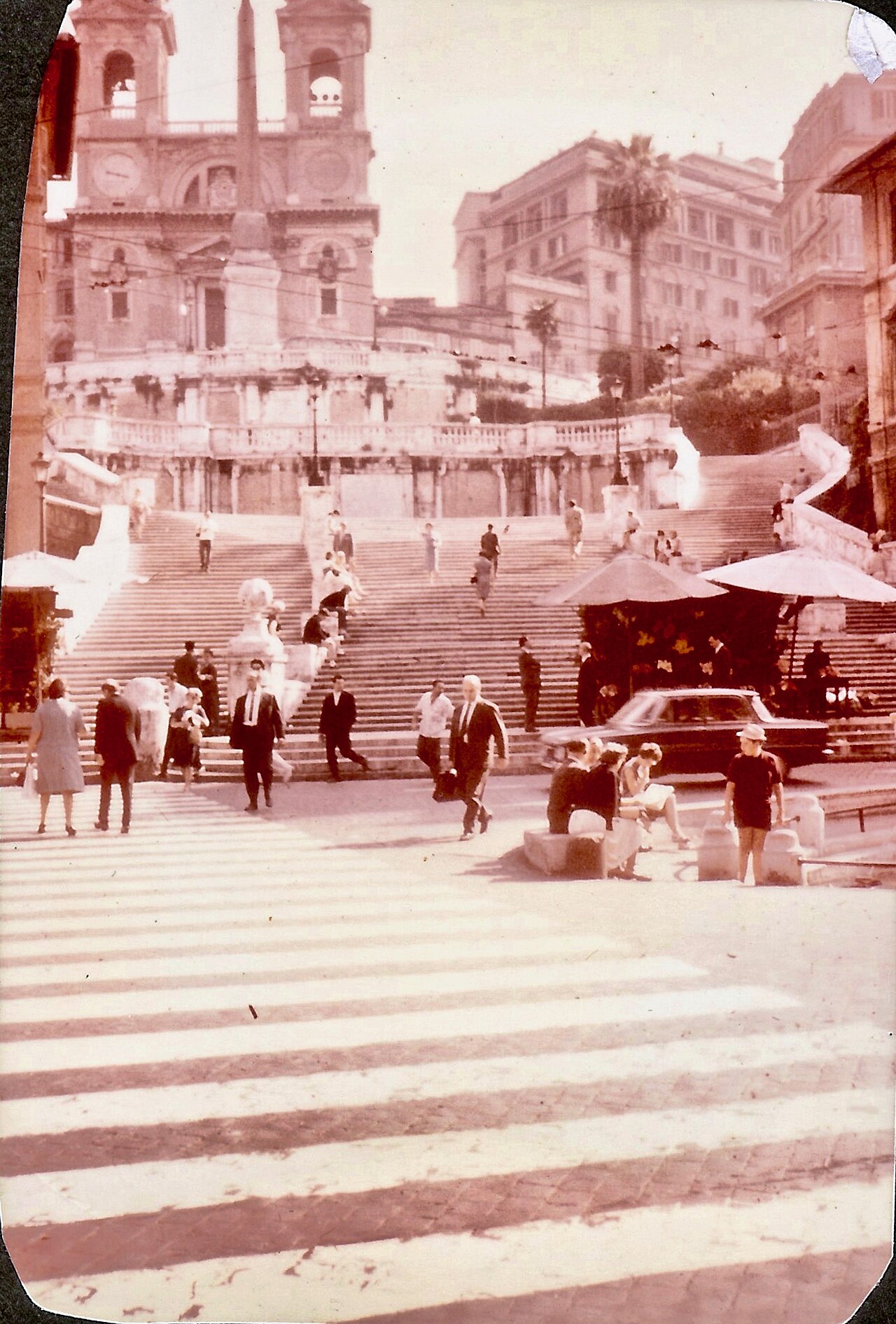
Spanish Steps
The monumental 18th-century stairway of 135 steps links Piazza di Spagna with the church of Trinità dei Monti above. Long a gathering place for artists and writers, it looks down over the Barcaccia fountain and the designer boutiques of Via dei Condotti. The view from the top at dusk, with the city stretching west, is a classic Roman moment.
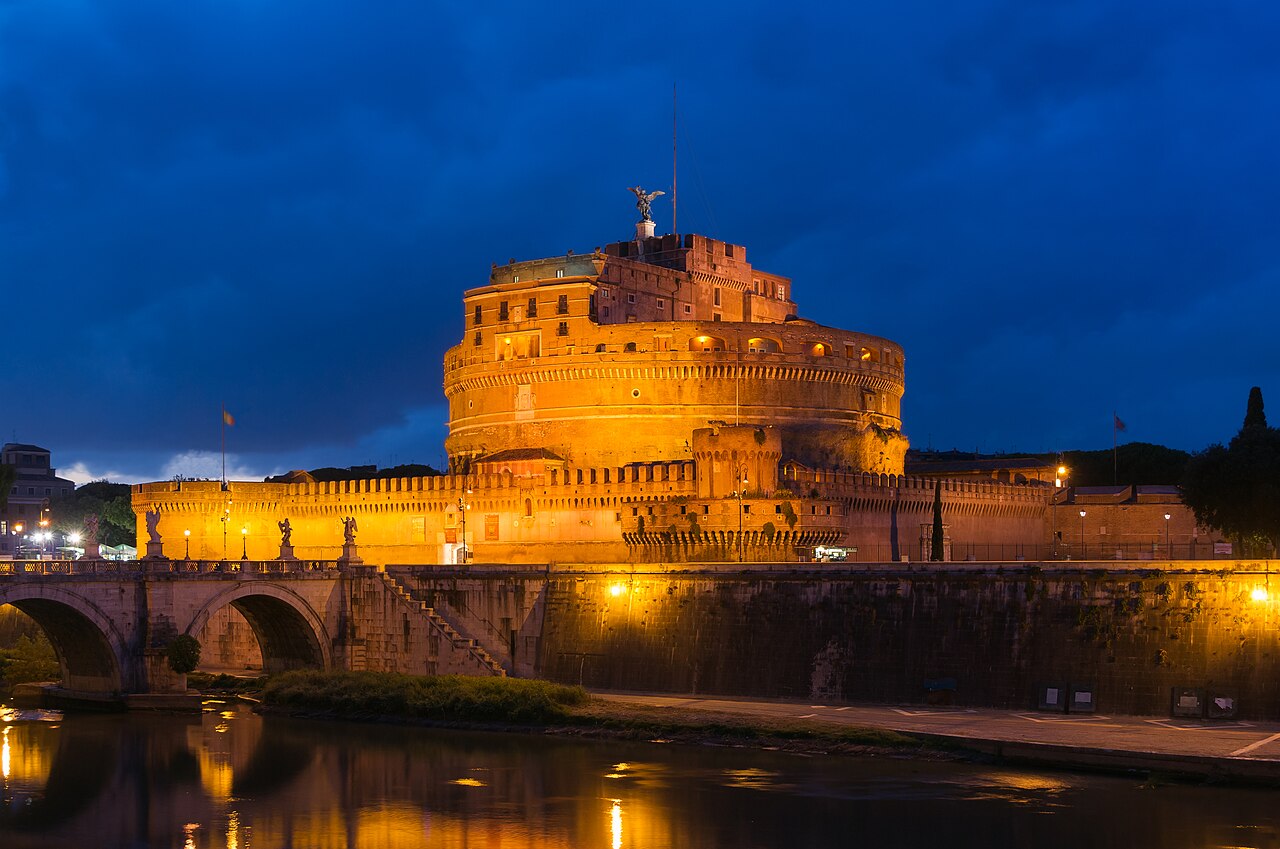
Castel Sant'Angelo
Begun by Hadrian as an imperial mausoleum and later a papal fortress, prison and refuge, this cylindrical landmark guards the Tiber beside the statue-lined Ponte Sant'Angelo. A spiral ramp climbs through its layered history to a terrace with one of the finest panoramas in Rome — the setting of the final act of Puccini's Tosca.
Trastevere
The old working-class quarter across the Tiber has become the city's most atmospheric evening district, with cobbled lanes, ivy-covered facades and the golden mosaics of the basilica of Santa Maria in Trastevere. It is the ideal place to eat before or after a concert, moving from a trattoria dinner to a glass of wine in a small piazza.